


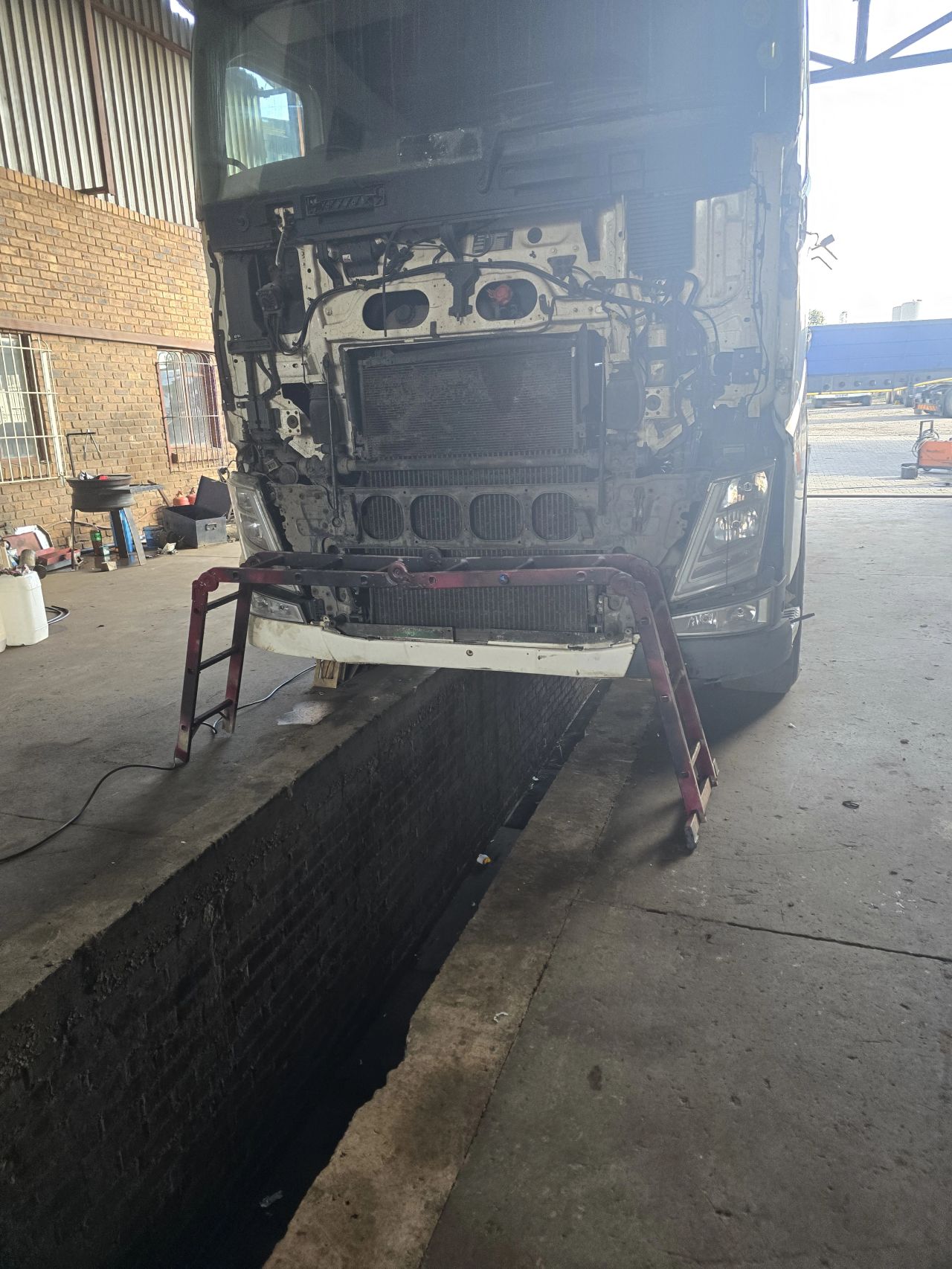
Hiring HGV Mechanics in Ireland and the UK: Why Domestic Recruitment Is Failing and What Works Instead
For commercial vehicle workshops, fuel distribution operations, plant hire companies, and fleet operators across Ireland and the UK, the HGV mechanic shortage has quietly become a bigger operational problem than the driver shortage. Trucks parked up waiting for service cost as much as trucks parked up waiting for a driver, and the qualified mechanic pool is shrinking faster than the qualified driver pool.
This article explains the current state of HGV mechanic recruitment in Ireland and the UK, why the shortage is structural rather than temporary, and what employers are doing in 2026 that actually delivers qualified people into workshops.
The shortage in numbers
The Irish picture is the more under-reported of the two. A shortage of Heavy Goods Vehicle mechanics in Ireland is causing concerns in the transportation and logistics industry. Skilled mechanics are being drawn to other industries, such as automotive or aviation, where wages and working conditions are more attractive. HGV mechanics are also taking up full-time driving jobs for better pay and conditions. Wikipedia
In the UK, the Institute of the Motor Industry has been tracking the problem more systematically. The non-manufacturing side of automotive, which includes the sales and distribution as well as the service and repair networks, employs over 600,000 people in the UK, but is facing unprecedented skills shortages. The sector has over 23,000 vacancies, which equate to 4% of the workforce. Many of those vacancies are in the technical roles such as light vehicle technicians, HGV technicians and body and paint technicians. Sama Talent Group
The IMI has further documented the trajectory. The number of posts advertised for HGV technicians has risen by 46% from January to March of the most recent reporting period. Year-on-year advertised salaries for HGV technicians have increased by more than 10%. talent
Looking forward, with the UK economy potentially seeing a shortfall of 2.6 million workers by 2030, the vehicle repair sector is one likely to see the struggle, with recent times seeing the decline in HGV mechanics. Sama Talent Group
Why the shortage exists
Four structural forces are driving the HGV mechanic shortage on both sides of the Irish Sea.
1. The skill takes years to build, not months. These are skilled roles which require extensive training; typically at least three years to become qualified at the minimum level. Unlike some shortage occupations where short courses or bootcamps can produce workable candidates in months, an HGV mechanic genuinely needs years of supervised workshop experience to be safe and productive on heavy vehicles. There is no shortcut. Sama Talent Group
2. Apprenticeships have collapsed in volume. Apprentices have long been the lifeblood of the automotive sector. But the inevitable reductions in the recruitment and training of apprentices resulting from the pandemic have created a shortage of young talent which will take some years to catch up from, despite the fact that employers are recruiting new trainees at record rates. The 2020-2022 cohort gap is now hitting workshops as the trained-up apprentices who should be replacing retiring mechanics simply do not exist. Sama Talent Group
3. Pay competition from other sectors. As Irish industry reporting has highlighted, skilled HGV mechanics in Ireland are being lost to the light vehicle automotive sector, to aviation, and even to HGV driving itself. A qualified HGV mechanic who switches to driving an artic typically increases their take-home pay by €5,000 to €10,000 per year in Ireland. The workshop loses both the mechanic and the institutional knowledge.
4. The EV transition is fragmenting the skill base. The electric vehicle market has made significant strides recently, however an impending skill shortage could hamper this continued growth with concerns around a lack of technicians qualified to work in the industry. Electric vehicles are becoming a huge part of what mechanics come across on a day-to-day basis, requiring upskilling. HGV mechanics now need traditional diesel competence plus emerging EV knowledge, and the training infrastructure to deliver both is not in place at scale. Wikipedia
What this is costing operators
For a haulage operation running a fleet of 20-50 HGVs, being short one mechanic typically means:
- 2 to 4 vehicles off the road at any time waiting for unscheduled repairs
- 15-20% reduction in PMI (Preventative Maintenance Inspection) compliance margin
- Pay rate inflation of 10-15% per year for the remaining mechanics
- Overtime costs running 30-40% above plan
For a plant hire or commercial vehicle dealership, the impact runs through customer satisfaction and warranty work as well as internal fleet maintenance. The IMI’s documented figure of 10%+ year-on-year salary increases for HGV technicians is now industry-wide. talent
What hauliers and workshops are doing that works
Operators stabilising their workshop teams in 2025 and 2026 have generally taken one or more of the following routes.
Internal apprenticeship pipelines. A small number of large operators have rebuilt apprenticeship intakes and committed to 3-4 year training cycles. This works at scale but requires patience and the upfront cost of carrying apprentices through the period before they are productive. Most small and mid-sized operators cannot justify it.
Retention through pay and conditions. The fastest route to stabilising your current team is paying them properly. The IMI’s 10%+ salary inflation figure suggests that operators who have not increased mechanic pay in line with the market since 2023 are now under-paying and will see attrition. Reviewing pay bands against current market rates is the single most actionable retention step.
International recruitment. This is where the meaningful volume is now coming from. Hauliers, fleet operators, and workshop owners across both Ireland and the UK are sourcing qualified HGV mechanics from South Africa, the Philippines, Colombia, and Bangladesh.
The international route works because HGV mechanic skills transfer well across markets. A South African mechanic trained on European-spec trucks (Mercedes-Benz, Volvo, MAN, Scania, DAF, all common in the South African fleet) requires minimal retraining for Irish or UK workshops. The same is true for Filipino mechanics trained on Japanese and European trucks. Trade testing in our Johannesburg or Manila workshops verifies competence before any visa application is initiated.
For Irish employers, HGV mechanic is eligible for the General Employment Permit at the €36,605 threshold. For UK employers with a Skilled Worker Sponsor Licence, HGV mechanic is sponsorable under the Skilled Worker visa, with current salary thresholds requiring careful checking against the occupation going rate.
What employers should actually do
The HGV mechanic shortage is not solving itself, and the pay inflation feeding through to wages is structural rather than temporary. Operators planning for 2026-2027 should consider the following:
1. Audit your current pay against market rates. If you have not reviewed mechanic pay since 2023, you are almost certainly below market. The cost of replacing a leaving mechanic significantly exceeds the cost of paying them properly.
2. Plan international recruitment 4-6 months ahead of need. The General Employment Permit timeline runs 16-22 weeks from start to productive worker. UK Skilled Worker visa timelines run 10-14 weeks if you already hold a Sponsor Licence. International recruitment is not a quick fix; it is a strategic pipeline.
3. Insist on trade testing before any visa application. Sourcing a mechanic from overseas without a documented trade test in a real workshop is the most common cause of failed placements in this sector. A CV-only screen will not catch the difference between a competent diagnostic mechanic and someone who has only done routine servicing.
4. Build your Sponsor Licence early if you are UK-based. If your employer is not listed on the GOV.UK register of licensed sponsors, they must apply for a sponsor licence before proceeding — this takes 8 weeks or more. Employers who wait until they urgently need to hire internationally add the sponsor licence application time on top of everything else. Key Currency
Sama Talent works with hauliers, plant hire companies, fleet operators, and commercial workshops across Ireland and the UK to place qualified HGV mechanics from our test centres in Johannesburg and Manila. Every mechanic we place has been trade-tested in a working workshop before you ever meet them. We handle the General Employment Permit or Certificate of Sponsorship process, the visa application, and the relocation logistics.
If your workshop is running short, get in touch. We will give you a straight answer on timelines, costs, and what is achievable for your specific operation.
About this article: Citations are drawn from the Institute of the Motor Industry (IMI), HGV Ireland industry reporting, fleet sector trade press, and Department of Enterprise data. All figures are current as of publication in May 2026. Sama Talent is a regulated Irish employment agency, EA 5649, placing skilled trades and professionals into roles across Ireland, the UK, and Europe.